Why Indigo Powder Results Fail — 5 Honest Reasons Most Brands Won't Tell You
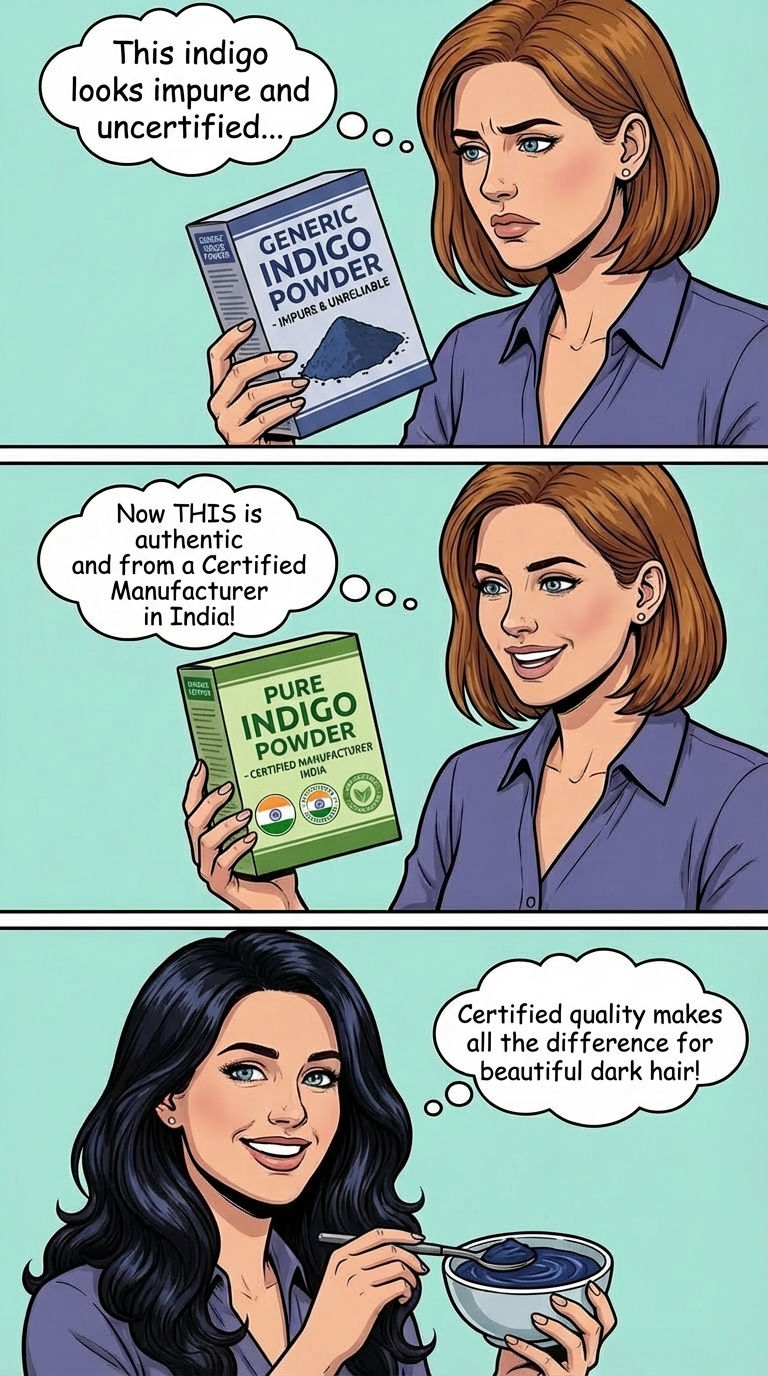
Why Indigo Powder Results Fail — 5 Honest Reasons Most Brands Won't Tell You
Indigo powder is one of the most fascinating natural hair color ingredients available. When used correctly after a henna powder base, it produces genuine black or dark brown shades without a single synthetic chemical. So why do so many people report that it simply does not work?
The answer is almost never the technique. Most of the time, the problem starts much earlier — with the indigo powder itself or the process behind it.
Reason 1: The Indigo Was Stored Too Long
Unlike henna powder, which retains its dye content for 1–2 years when stored properly, indigo is far more sensitive. Indigo degrades quickly when exposed to air, moisture, or heat. Many buyers — especially those purchasing wholesale henna powder packages that include indigo — receive product that has already been sitting in a warehouse for months. By the time they use it, the dye yield is significantly reduced. A genuine indigo powder manufacturer packs with nitrogen-flush or vacuum sealing specifically to prevent this.
Reason 2: The Powder Was Diluted
This happens more than it should. Some henna supplier in India businesses sell blended products where indigo powder has been mixed with starch, cornflour, or other fillers to increase volume and reduce cost. The color result is weak and inconsistent. Always ask for a pure indigo powder with a confirmed botanical source — Indigofera tinctoria — before purchasing.
Reason 3: The Henna Base Was Not Done Properly
Indigo needs a keratin-bonded surface to attach to. That is what the prior henna powder application creates. If the henna step was skipped, rushed, or done with poor-quality henna powder, the indigo has nothing proper to bind to. The result is uneven color — sometimes greenish, sometimes barely dark at all. This is why pairing your indigo with certified sojat henna from a reliable henna manufacturer in Rajasthan matters so much.
Reason 4: Wrong Water Temperature
Indigo paste must be mixed with lukewarm water and used within 15–20 minutes of preparation. If the water is too hot, the indigo oxidizes before it even reaches your hair. If the water is too cold, the paste does not activate properly. This is rarely mentioned on product packaging, especially from budget henna powder suppliers who are not invested in customer education.
Reason 5: Poor Quality Raw Material from Non-Certified Sources
This is the root cause behind many failures. A certified indigo powder manufacturer tests their product for indigotin content — the active compound responsible for color. Budget sellers do not. If the indigotin percentage is below threshold, no technique in the world will produce the dark result you are hoping for.
Getting good results from indigo powder is completely possible — but only when the product itself is genuinely pure and properly handled from manufacturer to shelf.


Comments